CUSTOM TENT BUYER GUIDE
Custom Tent Container Loading: How to Plan Shipment Space and Site Handover
Plan custom tent container loading with approved packing lists, package dimensions, loading sequence, delivery access and receiving checks.
- Introduction
- 1. Use approved packing information
- 2. Plan the sequence for loading and receiving
- 3. Prepare the destination handover
- Mid-article CTA
- FAQ
Container loading is where a completed tent order becomes a transportable project package. The right loading plan depends on the approved configuration, package dimensions, weight distribution, container type, destination route and the receiver’s ability to unload and store components safely. It should be planned early enough to support freight decisions, not left until production is complete.
This guide outlines the coordination questions for buyers, suppliers and forwarders. It does not replace carrier, port, customs or cargo-securing requirements.
1. Use approved packing information
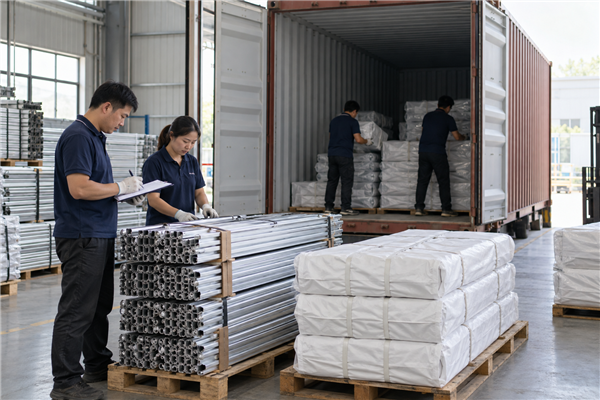
Tent frame bundles, fabric packages, doors, hardware and accessories should be linked to a packing list with clear references. Ask for the expected package count and dimensions once the configuration is stable. If the order changes, request an updated list rather than applying an old volume estimate.
The buyer should share any container restrictions, destination unloading limits or consolidation needs early. A tent package that fits a container can still create problems if the receiver has no forklift, cannot access the site with a truck or has no dry staging area.
2. Plan the sequence for loading and receiving
The loading sequence affects which packages are first accessible at destination. Where practical, align it with the site installation sequence: key drawings, hardware, frame packages and fabric should be identifiable, and the receiver should know what is needed first. Avoid burying critical small packages under unrelated cargo without a clear retrieval plan.
At factory shipment inspection, check count, visible condition, labels and packing-list references before dispatch. Take documentary photographs where appropriate. These records help the receiver check the shipment at arrival without treating photographs as a replacement for a physical condition report.
3. Prepare the destination handover
Confirm who receives the container, who unloads it, where components are stored, what equipment is available and whether the installation crew needs access immediately. Keep tent fabrics dry and frame bundles supported correctly. If there is transit damage or a count discrepancy, record it promptly with photographs, delivery notes and the relevant logistics parties.
The shipment handover should link to installation preparation: site access, ground readiness, equipment, working zone and responsible contacts. This reduces the gap between port arrival and a workable erection schedule.
Mid-article CTA
Need shipment-ready packing information for a tent quotation? Send TentDawn your destination and configuration brief to start a clear logistics discussion.
FAQ
How many tents fit in a container?
It depends on dimensions, frame profile, fabric, accessories, packaging and container type. Use project-specific packing information rather than a generic estimate.
Should the buyer inspect the shipment at arrival?
Yes. Follow your carrier and project receiving process, check the package count and visible condition, and document any issues promptly.
Can components be mixed with other cargo?
It may be possible, but the packing, securing, documentation and destination retrieval plan must be managed carefully with the freight parties.
Conclusion
Container loading is a coordination task. Tie the loading plan to the approved configuration, retain packing records and prepare the receiver, equipment and site before the cargo arrives.
Final CTA
Discuss export packing for your custom tent project. Contact TentDawn with your delivery details.
START A PROJECT
Send us the basics.
We will reply with the right next questions for your custom tent requirement.